

Written By Alex Vale
After $44 billion worth of investment, the world’s richest man, Elon Musk, now owns one of the most influential social media platforms today, Twitter. Where the reasons behind Mr Musk’s purchase of the platform are relatively unclear and subject to speculation, one thing that can be drawn is how he stated that he wanted the platform to act as a “digital town square” in which everyone can feel free to comment on. Another thing we can see for certain are Elon Musk’s strong beliefs regarding freedom of speech, hoping to return the platform back to a sense of fairness after saying that “A platform cannot be considered inclusive or fair if it is biased against half the country”. This of course is in reference to his belief regarding “Twitter’s left-wing bias” which he hopes to erase, beginning with the potential re-imposition of some banned accounts like Donald Trump for example. Since his purchase, he has fired just over half of the 7,500 staff worldwide, including some of the leading executives and previous boss, Parag Agrawal and has more recently been sued by these individuals for not aligning with the 6-week notice required for such protocols. But as chaotic as this all seems, there is one major question behind this entire process; that question being what will come of Twitter now?
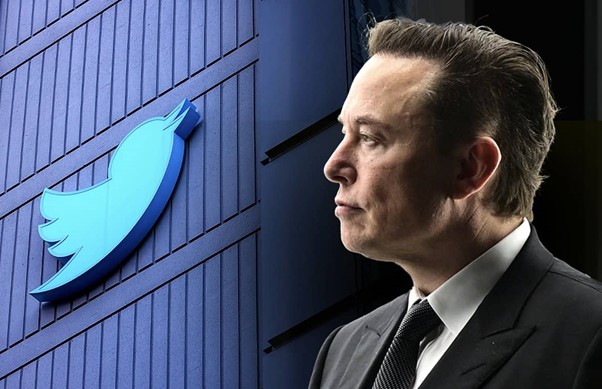
Well, as briefly mentioned earlier, it seems that one of Musk’s primary objectives now is restoring the sense of fairness and free speech that the platform once endorsed. To look back at where this sense of free speech Mr Musk is suggesting has degraded, it is worth mentioning that Twitter was founded in early 2006 with the intent of allowing users to share short messages with groups of people, similar to sending text messages. Over the years, as the platform grew in popularity, it even began to have a play in politics, with its cheap, easy and fast way of communicating short, powerful political statements to the world stemming from Obama’s movement to rally citizens in his presidential campaign, a feat that was also adopted by Trump who was later removed from the platform following his statements regarding the storming of Congress in Washington. It is this removal of accounts and in turn, voices in the eyes of Elon Musk, which undermines the platform’s endorsement of free speech; an issue that Mr Musk seems likely to tackle in his purchase of Twitter.
Another issue Musk seeks to address is an issue regarding the true number of Twitter users, hoping to cut down on the number of spam accounts to ensure a more genuine reflection of the thoughts and opinions of the people. There was even some initial conflict when Mr Musk sought to buy the company, accusing Twitter of supplying false information regarding the true number of human users on the platform. However, it was what else was brought up in these meetings that seems to tell us the most about what lies in the company’s future.
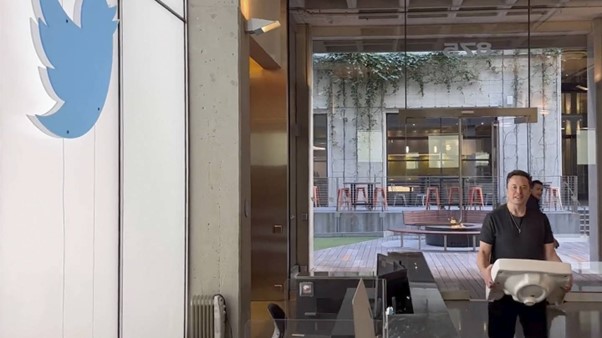
In messages revealed by court filings and Musk’s presence on the Twitter board earlier in the purchasing process, it would appear that Musk had initially criticized the firm’s conduct of operations, suggesting that “Mr Agrawal didn’t understand how to fix the social media platform’s problems”. He then proceeded to announce his more ambitious ideas that regard Twitter’s place in the wider scheme of an app called “X”; an app for everything. Further details regarding what “everything” entails for the app is still ambiguous but one thing it does imply, is that Musk’s purchase of Twitter is likely to be a small step in the greater shift to the metaverse that he has been slowly building towards for a long time.
But what do you think? Is it right for one man to have such a degree of control over social media in a rapidly growing technological era? One thing is for sure, we’ll stay up to date with what Elon Musk will do next…




 The 1509