
By William Bayne
Cancer is one of the world’s biggest health problems, being responsible for 1 in 6 deaths worldwide. In a nutshell, cancer is a disease caused by group of body cells growing out of control to form a tumour, which, left untreated, will spread into the bloodstream and to other organs in the body, resulting in widespread organ failure and eventually death. Due to cancer cells being mutated body cells, the human immune system does not react particularly strongly to cancer cells and many cancers will go undetected by the body’s immune system, which is one of the reasons why it is so dangerous.
Cancers are usually treated by one of three methods: Radiotherapy, Chemotherapy, or surgery. More recently however, Immunotherapy is making a name as the 4th pillar of cancer treatment. Immunotherapy has many merits which make it a preferred form of treatment: it typically has less of an impact on the rest of the cells in the body; it can be used to treat more difficult forms of cancers such as blood cancers (e.g. leukaemia); and it is better at preventing the reoccurrence of tumours as at the end of immunotherapy.

Immunotherapy is possibly the most notable development in cancer treatments in the past 40 years. Immunotherapy is not a novel idea – there is evidence to suggest some forms of it were used in China’s Qin dynasty – although not to treat cancer. Since then, its development has been an area of science not hugely explored, but occasionally its popularity would spike, continuing research. There have been many breakthroughs, all leading to the first FDA approved immunotherapy treatment of bladder cancer in 1990.
Immunotherapy works in a relatively simple way: instead of directly attacking the cancerous cells, immunotherapies all stimulate the patient’s own immune system to fight the cancer cells in some way or another. Some immunotherapy drugs inhibit ‘immune checkpoints’, which prevent the body mounting too strong a response to disease. By inhibiting these checkpoints, the body can react much more strongly to the cancer.
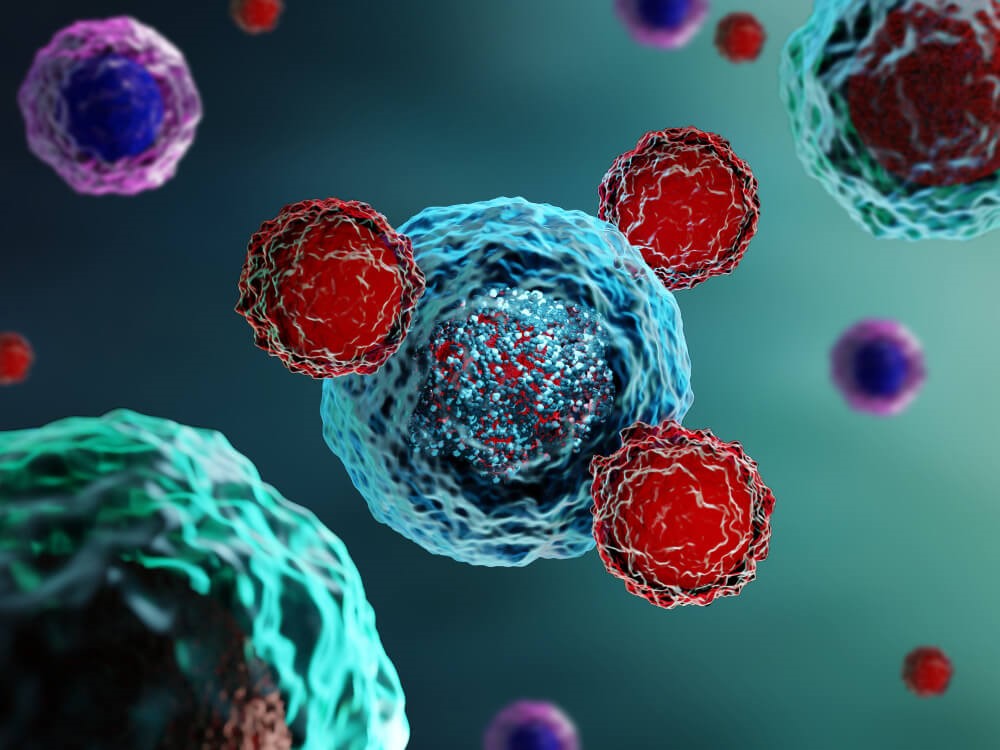
Other drugs, called ‘immune system modulators,’ stimulate the immune system to produce more of particular white blood cells, which then allow a greater immune response against the cancer. One way in which this is done is by injecting the patient with a weakened form of the BCG bacteria (which causes tuberculosis but is harmless in its weakened form). This causes the immune system to go into overdrive which will also cause the immune system to start attacking the tumour as well.
Vaccines are another form of immunotherapy which has proved quite effective. The patients own dead cancer cells or cancer cell antibodies are injected into the blood, and just like a normal vaccine, the body will react to it and develop an immune response to those specific antigens. This stimulates the immune system to attack the cancerous cells and provides a way in which to do so.
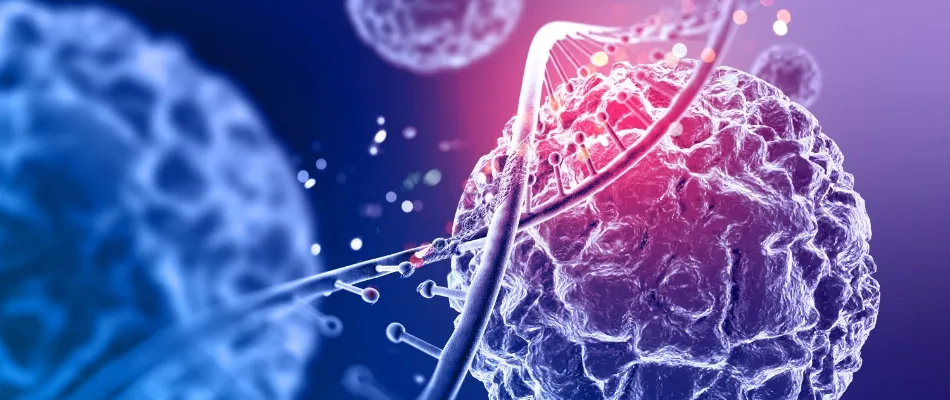
Finally, a method of immunotherapy called T-cell immunotherapy is one used with quite high success rates. This is where T-cells (a type of white blood cell) are harvested from around the tumour. These T-cells are more likely to be effective against the cancer. Ones which are are selected and millions are grown in the lab, to be injected back into the blood in order to try to kill the cancer cell.
There is also a new form of T-cell immunotherapy which has very recently been developed, called CAR T-cell immunotherapy. This is where T-cells are removed from the patient and genetically modified in the lab to be able to produce a cancer antibody (CAR antibody). Similarly, these cells are grown and reinjected into the bloodstream to kill the cancerous cells.
Immunotherapy is helping to turn the tide in the fight against cancer and will prove crucial to the survival of many cancer patients in the future.
References:
National Cancer Institute, https://www.cancer.gov/about-cancer/treatment/types/immunotherapy
Cancer Research Institute, https://www.cancerresearch.org/immunotherapy-by-cancer-type#:~:text=The%20first%20FDA%2Dapproved%20immunotherapy,for%20bladder%20cancer%20in%201990.




 The 1509
Leave a comment