
By Krish Lukha, Editor-in-Chief 2024-2025.
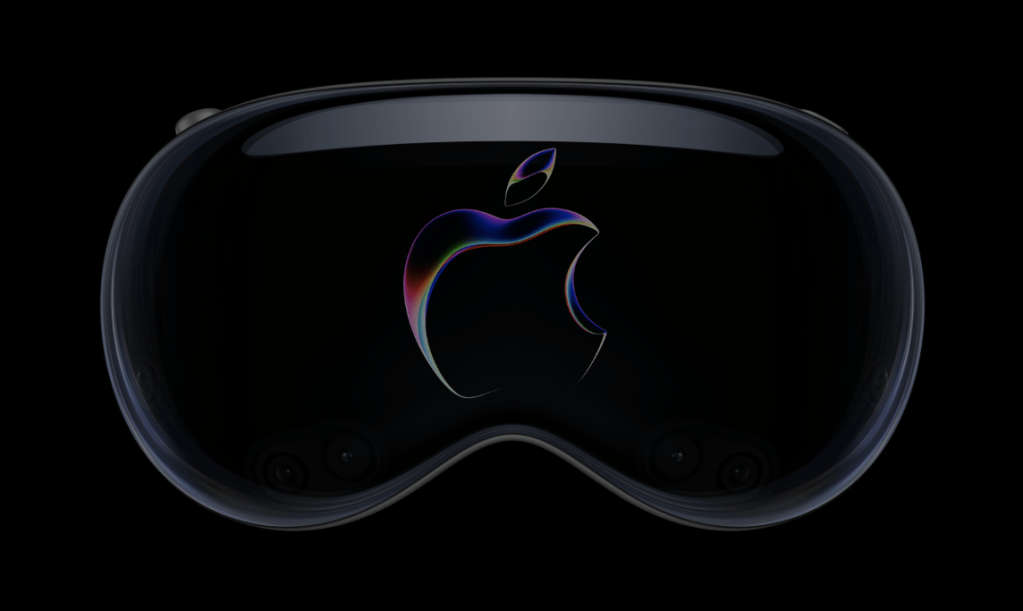
Summary: Apple Vision Pro, now available to pre-order for a ludicrous $3499 in the US, was announced during WWDC 2023. It represents the future of computing in which everything is done through XR technology. The dual chipset, virtual environments and large App Store all represent what the technology may bring to consumers all over the world in the future, when Apple and its competitors release more updated (and cheaper!) versions of the product.
[Estimated Reading Time: 4 Minutes]
Technology is an integral part of our daily lives. We live in a world where devices are a part of everything; from schoolwork to social lives, there is no corner of our society untouched by flashing lights and screens of all shapes and sizes. Some of the most commonplace devices which have become the status quo are personal computers and laptops. They are used for all sorts of purposes including gaming, work, listening to music and even watching films. However, the computers we use today are very different to the ones of the future. Whilst AI is becoming the most obsessed-over tool, there is another trend growing which is slowly but surely increasing in popularity; XR.
Surface Laptops
In June 2023, Apple held its annual WWDC conference. Similar to in previous years, Craig Federighi, the Senior VP of Software, and his cohort announced the latest updates to their devices including iOS 17, macOS Sonoma, iPadOS 17 and the redesigned watchOS 10. However, whilst these improvements were being announced, in the shadows, CEO Tim Cook was gearing up to give an announcement which, in time, will surely revolutionise computing as we know it.
The Latest Apple Product
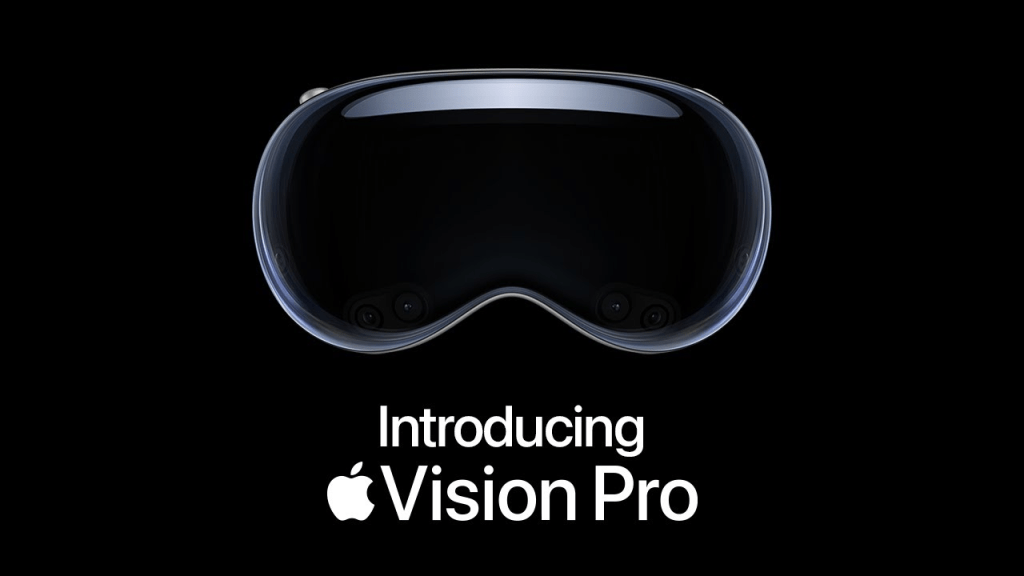
Cook took to the stage and gave one final announcement, which soon became the face of all articles pertaining to the event. He introduced Apple’s take on an XR Headset, heralding in the start of a spatial computing era.
In the past decade, there has been a rise in the number of AR, VR and MR (Mixed Reality) headsets (the terms of which can all be encapsulated by the term ‘Extended Reality,’ or XR for short). First, there was Google who created Google Glass. This was ultimately discontinued and unsuccessful. Next, there was Microsoft, who created HoloLens and HoloLens 2. These were aimed at businesses and not consumers so have not achieved widespread popularity. Nowadays, there is Meta, whose Quest models have become extremely well-known and are by far the best overall consumer-friendly headsets, with the Quest 3 being the first of the non-pro models to bring in colour passthrough technology. However, with the exception of the Quest Pro which is aimed at developers, none of these feature eye tracking technology. On the other hand, there are devices such as the XREAL Air glasses which are MR devices but rely on other devices for processing power and are continuously tethered using cables.
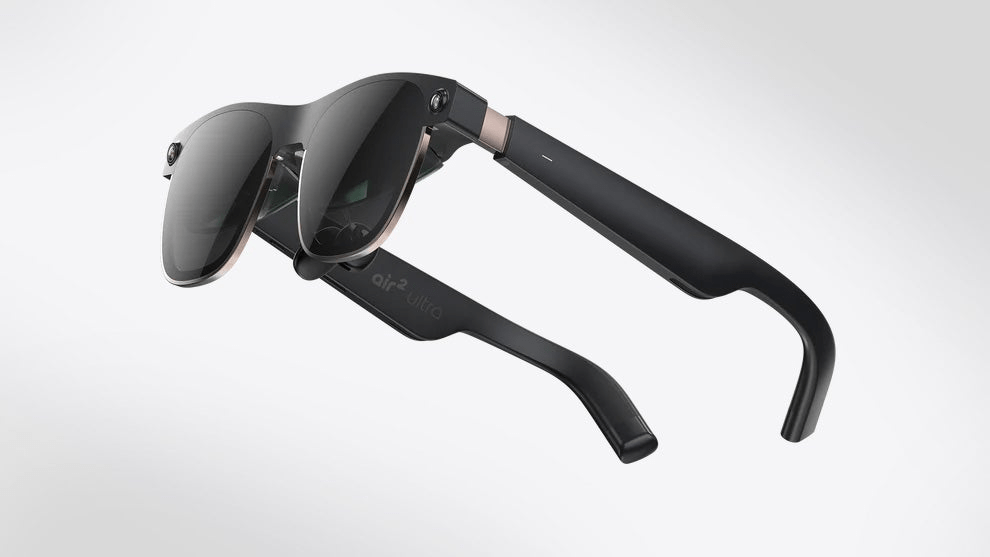
XREAL Air 2 Ultra Glasses: A Rival to the Vision Pro
For the first time in over a decade, Apple has released a fairly innovative product. Vision Pro, albeit not refined and tethered to a battery pack, represents what the future could hold. It has many standout features: the immersive ‘Environments’ feature is a more enhanced version of Meta’s Horizon Workspaces; the dual M2 & R1 processors make Vision Pro as fast as a MacBook Pro; the App Store will contain over 1 million apps on launch day which have been specifically designed to run on Vision Pro; and the immersive 3D film experience (with spectacles such as Avatar: The Way of Water and Dune) looks stunning. VisionOS also looks extremely well designed and is proof that despite being a first generation product, Apple will still bring to the market their clarity and consistency which makes them one of the most premium, and largest, tech giants in the world.
Overall, Apple Vision Pro is sure to change the way in which we work. Currently, the absurd price tag will mean that it is out of reach for most consumers. However, Apple analyst Mark Gurman has repeatedly said that Apple will eventually release a cheaper headset which will be more popular amongst the general public. Spatial Computing will coexist with Windows, macOS and Linux for now, but in the future, it might just become a lot more widespread if it takes off.
Apple Vision Pro is now currently available to pre-order exclusively in the US for $3499 and will release there on February 2, when we will soon see how popular the product becomes. It will become available globally in late 2024.




 The 1509
Leave a comment