

By Hugo Stelfox
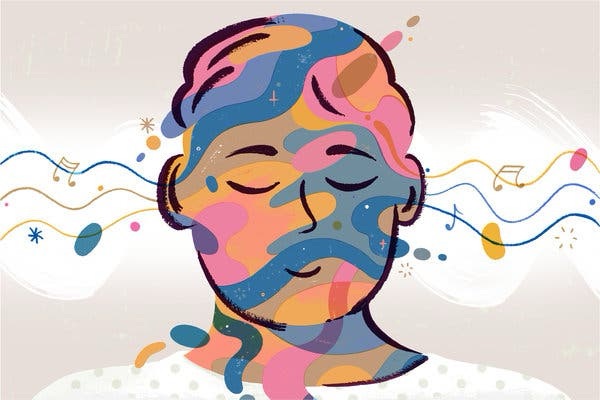
In a world that is increasingly challenged by mental health issues, music is increasingly recognized as playing an important role in improving wellbeing. According to Harvard University, music therapy is an established health care modality that stresses the therapeutic potential of music in improving mental health. Music can be used to help your mental health such as listening to music, playing an instrument or writing music.
The kind of music we listen to might be an enormous influence on our emotions and thoughts. The results of the research carried out showed that music relaxes and calms one down, thus being a very calm avoidance from what happens during the daily grind. With other people, attending concerts and engaging in collective musical activities strengthen the bonds and create a feeling of community and unity. As for dance music, rhythmical movement could help boost moods and improve the overall well-being of the body. The combination of music and movement has been said to be effective in fighting depression and works magic to be positive in life.
Public figures such as Adele and Kendrick Lamar raise awareness and contribute to destigmatizing mental illness. This is accomplished by them openly discussing their struggles through either their social media or the music they create; it helps shine a light on how music was a part of their healing. Their influence normalizes the conversation around mental health and has the power to make it easier for people to get the help they need without the fear of judgment.
Research says that training on a musical instrument improves cognitive performance and mental health. This activity for older adults supports good mental health and could delay the onset of dementia and other age-related cognitive problems. Through the learning of the trick, discipline and focus can be carried over into other areas of life through better concentration and problem-solving abilities.
Music can improve focus and productivity. Many studies have shown that classical music, especially pieces of music that are played loudly every minute, improves the brain’s ability to process information In addition, it has been shown that EDM and hip-hop sharpens the mind and helps with concentration, making it a popular choice of study and career.

Meditative music featuring the soothing and distinctive sounds of piano, nature and stringed instruments is relaxing and improves mood. This type of music can have a cathartic effect, help relieve stress and relax the body and mind. Additionally, abstract environmental music, such as binaural beats, is also known to help reduce anxiety and boost self-confidence. Many studies have been done that can prove that listening to calming music can actually affect the frequency of our brains and help us have a more positive outlook.
To summarise, it is clear that music has a large impact on increasing our mental health. Multiple studies have shown it can reduce stress and increase our cognitive performance. It also allows public figures to use their music and platforms to remove certain stigma from issues and they can help to bring them out into the open. I believe that the effects of music therapy is becoming more evident as more people engage in it.




 The 1509
Leave a comment