
By Saad Ahmad.
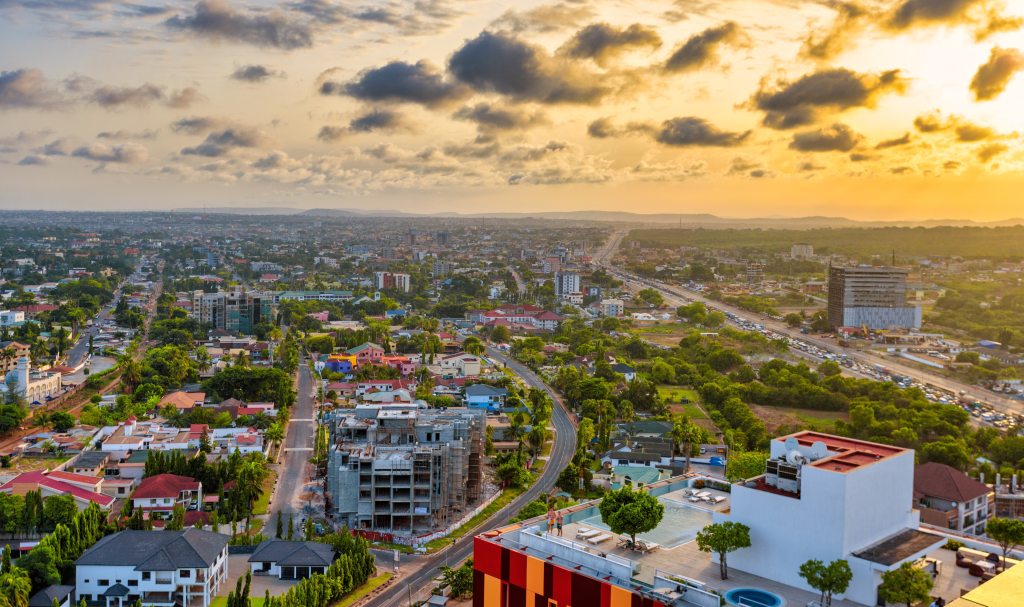
Thinking of West Africa – Nigeria is probably the main country that would come to your mind. But nearby, there is another African superpower – and that is Ghana.
With a population of 33 million – less than half that of the UK, you may not expect Ghana to be anything special, however it does have a rich history that remains relatively unknown.

The word ‘Ghana’, meaning ‘warrior king’ was how the original ruler of this territory was addressed. However, the origins of Ghana weren’t where the country is nowadays, but actually in present-day Mauritania. This changed after 500 AD, as the tribes that made up ‘Ghana’ were driven south to the coast, due to repeated attacks by northern African rival groups.
Upon reaching as far south as possible, this empire entered into an era of stagnation, until the 12th century, where it was incorporated into the Mali Empire.
However the locals of this area remained settled and busy with their own lives, until a significant shift in their lifestyle in the 15th century.
In the late 1400’s, Portuguese merchants arriving in the country noticed the prevalence of gold jewellery amongst both young and old alike, resulting in major trade lines developing between Ghana, Portugal and Britain, where gold and timber were the main goods exchanged.
European visitors, in order to cement their standing within Ghana, built huge castles along the Ghanaian coast, like Elmina Castle (a site which still regularly receives more than 50,000 tourists annually).

However from the beginning of the 16th century – trading in Ghana took a dark turn.
Exchanging gold had now turned into exchanging people – with these same castles now used to hold millions of West Africans for transport across to American plantations.
This system of slavery continued until the beginning of the 19th century – when the British were at the forefront of trying to put an end to this practice. Although the British slave trade had come to an end, slavery in Ghana remained the same until 1874, when Ghana was renamed ‘The Gold Coast’ after becoming a British colony.
This change did prove to benefit the nation, as it allowed locals to deal with ‘normal’ trade once again, with a major focus this time, on coffee.
The Ghanaian economy remained in a similar state of relative stillness – until 1957 when it became the first West African nation to gain independence.
However the Ghanaian people weren’t satisfied with only receiving independence for themselves – it was the inaugural Ghanaian President – Kwame Nkrumah – who declared, ‘Our independence is meaningless until it is linked up with the total liberation of the African Continent’.
This inspired other African nations to follow Ghana’s example – resulting in 30 more becoming independent over the next few years.

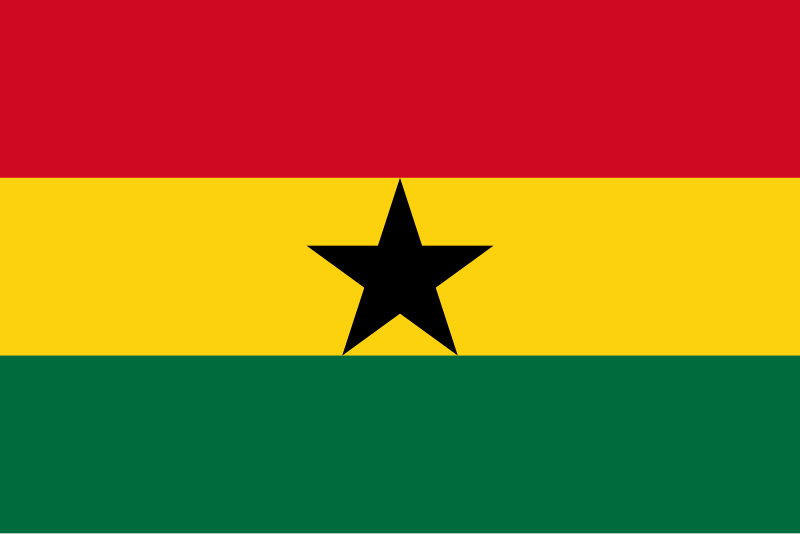
Throughout the 1900’s, Ghanaian rule was often corrupt and tyrannical, with military establishments deciding rules as they went along. This continued until 1992, when democracy was entrenched in an official constitution, with multiple parties and proper voting rights.
Now, many years later, democracy has served Ghana well, and despite ups and downs with regards to national debt and receiving international financial aid, it is considered one of the most advanced economies in Africa, with plenty of job opportunities for youth, as well as relative peace and safety within the country itself.


 The 1509
Leave a comment