

By Samarth Nanda.
In COP29, the 29th Conference of the Parties, many rich countries committed to providing money to developing countries to help combat climate change and switch to renewable energy instead of using fossil fuels.
What is COP29?
COP29, which was held in Baku, Azerbaijan, in November 2024, focused on climate finance, with representatives from nearly 200 countries meeting together under one roof. 300 billion USD – which is triple the previous agreement – is now annually going towards developing countries to help mitigate the impact of global warming.
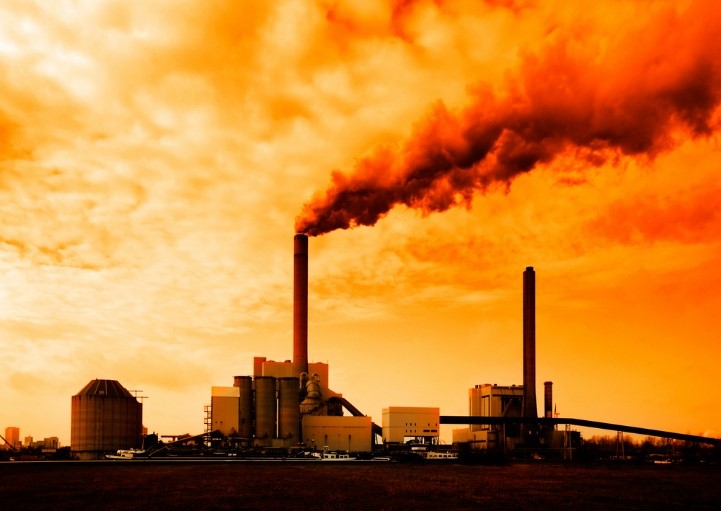
In COP29, the money is donated to developing countries where it is harder to access healthcare, education, and well-paid jobs, which are often hardest hit by climate change as well. It is planned to invest the money to help developing countries transition to renewable energy like solar power, wind, and hydro energy instead of fossil fuels.
$300bn can make a significant change in our world’s climate change crisis but is much lower than the 1.2 trillion that developing countries were requesting. Some representatives from African countries and climate-vulnerable islands walked out of the conference, complaining that they felt ‘unheard’. Alongside, ActionAid UK said that the $300 billion is a ‘drop of water in the ocean’ compared with ‘the trillions needed to help the climate-hit communities’. Despite the turndowns, the US President – Joe Biden stated obstinately that the money puts the world ‘one significant step closer’ to achieving our climate change goals and not causing a catastrophe.
Climate change is long-term shifts in temperatures and weather patterns. These changes can be natural, such as large volcanic eruptions, or by human activities, which are the primary driver. Burning fossil fuels releases greenhouse gases that trap the sun’s heat in the atmosphere, contributing to global warming. The average temperature now is 1.2°C hotter than in the late 1800s, which can lead to health issues, reduced agricultural productivity, and also a threat to biodiversity.

With time and a growing global population, the demand for manufacturing products will increase, and the need for establishing renewable energy will become more expensive. In order to meet this growing demand, we will need more research and experiments with renewable energy. Estimates say that emerging markets and developing countries, excluding China, will need around $2.5 trillion a year to reach the climate goals set by 2030. Seemingly, the budget of $300 billion might not be enough to meet our objective by 2035.




 The 1509
Leave a comment