

By James Paterson.
Money, injuries and the problems at the very top of football.
Football is the most popular sport in the world. With this success and popularity comes one of the most lucrative businesses in the world. However, one thing that is intrinsic to football’s global success is that the sport, the fans, and the players come first over the money. Unfortunately, in the 21st century, this is not the case. With multiple scandals such as the hosting of the World Cup in Qatar and the concept of the European Super League, the issue of money and business in football is still prevalent. And recently, it has reared its ugly head again.

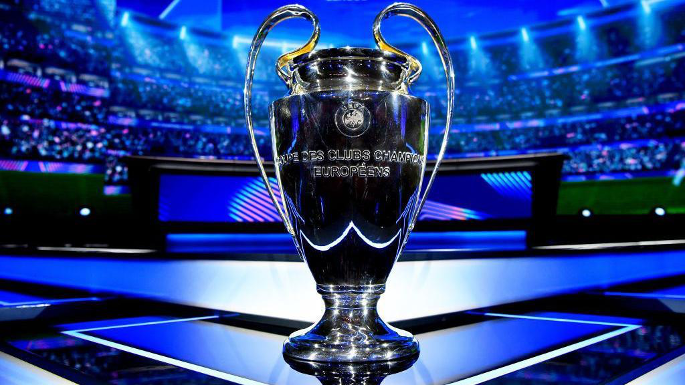
In the 2024/25 season, the Champions League was expanded to add 2 games for each club in the group stages, with 2 extra games for the 16 teams that reach the playoffs. UEFA reasoned that these changes would provide more competitive matches and allow fans to see top teams play each other more often. However, fans and sports professionals were not asking for these changes, and this caused greater ramifications. The addition of extra matches, along with the introduction of the Nations League in 2018, has greatly increased the number of matches that professional players have to play in a year. On top of that, the Club World Cup is set to be expanded next year to a total of 32 teams, which again increases the burden on top players. The case that this change was made for money is heightened when we consider the recent addition of Inter Miami to the tournament, despite not winning the MLS Cup, the biggest tournament in North America. It suggests that FIFA wants the extra viewership from Messi playing, and therefore they are picking the teams based on the amount of money they would make from them, not from sporting ability or competitive achievement. The recent World Cup being hosted in Qatar adds to this, as the nation held no footballing heritage and had a poor human rights record, which could have endangered fans. UEFA looked past these issues simply due to the money on offer from the country, and ultimately 6,500 workers died because of their greed and the commercialization of the beautiful game.
The stress of competing in so many matches at such a high level is starting to take its toll on the players concerned. One of the more vocal examples of players fighting back against the grueling calendar is Rodri. Ballon d’Or, Euro, Premier League, and Champions League winner, Rodri is regarded as one of the best players in the world and has been intrinsic to Manchester City’s many titles and victories over the years. However, in a recent press conference before the Blues played AC Milan, Rodri heavily criticized the number of games played, stating that there was even the possibility of a player strike over the issue. Less than a week later, Rodri tore his ACL, ruling him out for the rest of the season. This is emblematic of the stresses that footballers are under due to the increased amount of matches and why painful and debilitating injuries are becoming more and more common in high-tier football.
Ultimately, as the popularity of football grows even further, more money will come into the game, and inevitably, more commercialisations will follow. It is crucial that football organisations and officials protect the players and the teams from the impacts of commercialisation in order to safeguard the integrity of the game.



 The 1509
Leave a comment