
By Zane Barodia.

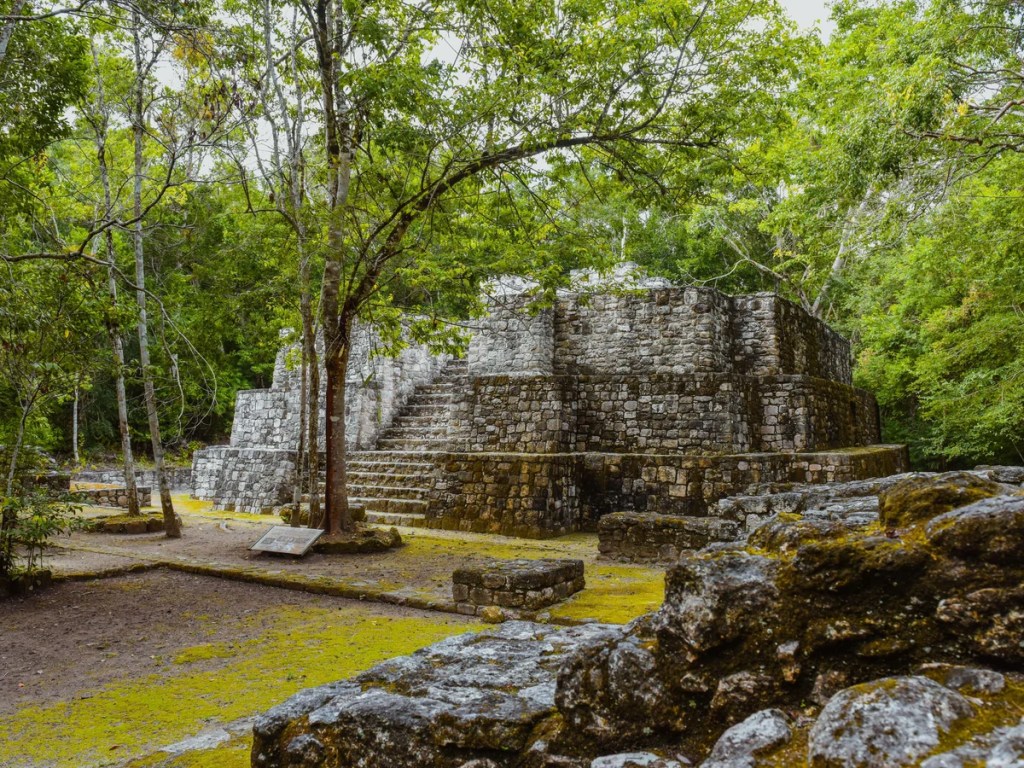
In the canopy of a Mexican jungle, a Mayan city has been discovered, possibly centuries after it disappeared. The shocking thing is that it was an accident. Luke Auld-Thomas, a PhD student at Tulane University, was browsing on Google on ‘something like page 16’ when he found a laser survey used by an organization in Mexico. It was called Lidar, and it is used to find buildings that are covered by plants. Lidar was the main reason why this was discovered.
Mr. Auld-Thomas processed the data using an archaeological technique when he saw something that had been repeatedly missed. It was a massive ancient city that could have housed between 30,000 and 50,000 people at its peak time (750 AD to 850 AD).
It was a hidden complex which they named Valeriana after a nearby lagoon. Apparently, it was just a 15-minute hike from a major road to the actual complex. It was a huge 16.6 square kilometers. Two plazas had pyramids in which the Maya people worshipped, hidden jade masks, and they also buried the dead there. There was a Pitz (the Mayan ball game) court in there as well.
The other Mayan city like Valeriana is Calakmul. These are the comparisons between the two of them.
| Ancient City | Valeriana | Calakmul |
| Nearest City | Quintana Roo | Campeche |
| Size | 16.6km squared | 2km squared |
| Location | North Mexico | North Mexico |



 The 1509
Leave a comment