
By Krish Lukha.
Summary: Apple has been sued by the US Government Department of Justice. It has been accused of becoming a monopoly due to five reasons. It has blocked “super apps” on the App Store; limited cloud streaming services available on iOS; stigmatized Android users through their green iMessage bubbles; blocked 3rd party digital wallets and hindered the functionality of non-native smartwatches when used with iPhones.
Despite having just announced the largest improvements to the iPad Pro models in many years, Apple faces problems on all fronts. The company has been forced to comply with new EU regulations, requiring it to allow sideloading and alternative app stores within iOS 17.5; Apple has consistently tried to prevent this from happening as it allegedly reduces online safety. Meanwhile, its iPad sales have been the lowest in years. Even this week, it has faced backlash over its latest “Crush” advert, whereby multiple creative devices such as pianos and canvases were destroyed. The aim of the advert was to show how creativity has been compressed into a single, thin, iPad Pro. However, it was seen to be an example of “corporate hubris” (BBC News) and was met by horrendous outcries from creative professionals in a time where their jobs are threatened by the rise of Artificial Intelligence.

In recent months, it has faced an even more dangerous threat; the US Department of Justice. The DOJ has filed a case against the corporation due to supposed violations of antitrust laws. They accuse Apple of using its walled-garden ecosystem to create a monopoly, whereby the company has entire complete control over all its products and services. This is not the first time the DOJ has launched an antitrust lawsuit against a major tech corporation. Last week, it concluded its prosecution of Google.
There are 5 grounds on which Apple is being accused of becoming a monopoly. These are relating to “super” apps, digital wallets (e.g. Apple Pay) cloud gaming services (e.g. Xbox Cloud Gaming), the green bubble problem and smart watches.
- Super Apps
Super apps are becoming increasingly popular in Asia. They allow the user to perform a wide variety of tasks. These include marketing, translation, messaging, payments and searching. WeChat is probably the most well known and is ubiquitous across China. If all the user cares about is being able to use this extremely convenient application, then hardware features such as the processor, storage and sensors become less important, meaning that people are less likely to upgrade to the latest device. Apple argues that these apps make less users drawn to iOS and uses App Store regulations to make starting US based super apps far more difficult in an attempt to block these apps from entering their most popular market.

2. Digital Wallets
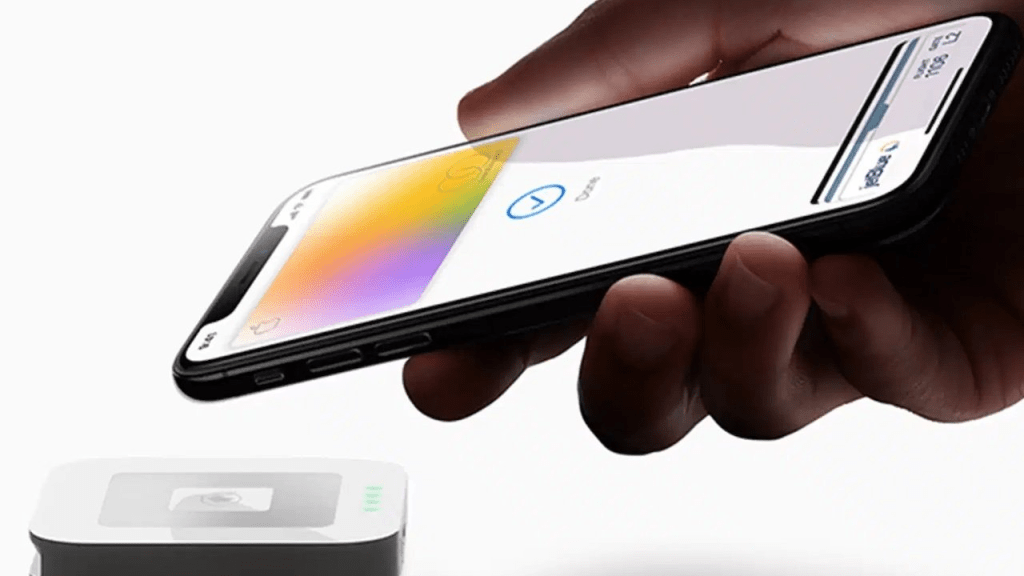
Apple uses its control over application to effectively block 3rd parties from creating digital wallets with tap-to-pay (NFC) functionality. The only system it allows to integrate with NFC is Apple Pay. This is because alternative, cross-platform digital wallets would allow users to switch from iPhone in a more seamless and secure way. As so many users utilise Apple Pay, the company is able to collect information about users and charges banks 0.15% for all transactions for access to Apple Pay. This amounted to nearly $200 billion in 2022 alone. On the other hand, Android uses a free NFC system. The DOJ complaint argues that Apple artificially limits the market, both allowing themselves to act as a middleman and also reducing innovation as everything has to run through Apple Wallet.
3. The Green Bubble Problem
Apple consistently stigmatizes Android users and this has had notable effects, particularly within the US. It unnecessarily holds back functionality for users communicating with Android devices. These functions include reactions, edited messages, encryption and disappearing messages. In addition to this, they also show messages delivered from Android devices with green bubbles, which has upset many iPhone users in the US due to the poor contrast between message colours (green and white). This has become a major problem in US schools, where iMessage has become the default for group chats. The green bubbles have caused many individuals to experience bullying and peer pressure (to buy an iPhone). Apple executives have claimed that moving iMessage to Android will hinder the company, rather than help. The lack of functionality, combined with the green bubbles, have forced many to switch from Android to iOS and have kept many existing users locked within their tight-knit ecosystem.
4. Cloud Gaming
Cloud streaming apps allow the user to play video games over the cloud, reducing the need for super powerful devices and improved chipsets. All that is required is a simple device which is able to access the app. This means that even low cost Android smartphones are able to be used for gaming, causing huge problems for Apple. The tech giant’s focuses heavily on providing the most powerful chips. An Apple executive argued that someone could just buy an Android for $25 and have a “solid cloud computing device.” This is not the only problem which Apple has; cloud computing means that the company takes a smaller cut of every game sale made through the App Store as they can just be bought through the streaming app. These key issues has led to Apple once again using its own regulations to prevent 3rd party developers from offering cloud gaming subscription services native to iOS, further strengthening its empire. Apple also requires cloud streaming services to get approval for every update for every game they offer, which can become incredibly tedious and difficult.

5. Smartwatches
Apple is very controlling over the use of smartwatches with iOS. Since the launch of the first Apple Watch, the company has prevented its own watch from being paired with Android devices. It has also heavily limited the functionality of other smartwatches, such as the Galaxy or Pixel watches, with iOS, so as to prevent a “negative impact on iPhone sales.” Apple Watches are the only viable options for its own operating system.

This is not the first time Apple has been involved in antitrust investigations. In the past, it has faced scrutiny from Europe and Asia, with Epic Games already having started its legal action. However, this particular case has been a factor in Apple’s shares reducing by over 10% this year. According to the Verge, the DOJ has made a very compelling case about how Apple is trying to keep its control. However, in the 1990s the DOJ filed a similar lawsuit against Microsoft. This took 3 years to reach a settlement and a further 4 to go through the appeals courts. All in all, it may be a very long time before this particular case reaches its conclusion.




 The 1509
Leave a comment