

By Saad Ahmad.
On Thursday, 13th March, the Prime Minister made a bombshell announcement. With almost no prior warning, Sir Keir Starmer declared his plans to abolish NHS England. This came as a shock to many, not least the thousands of NHS workers that are expected to be out of work within two years. But what exactly does this news mean for you?

Firstly, we have to assess the specifics of these reforms. NHS England was set up in 2013 as a ‘quango’ organization. This refers to a body that is financed through tax; however, it is run by professionals who are independent of the government. NHS England mainly deals with the bureaucracy behind the NHS, with major roles including regulating doctors’ working hours and ensuring that the NHS is functioning safely as a whole.
The total number of staff employed by NHS England is currently 13,500, with up to 50% of these staff expecting to be laid off by the middle of 2027. Although this may seem like a terrible economic decision, with thousands of redundancies in the health sector, as well as the loss of 9,000 civil service jobs, these steps may actually lead to an improvement in patient care.
In the Prime Minister’s own words, he is ‘bringing management of the NHS back into democratic control’ and putting the NHS ‘back at the heart of government where it belongs’. With this, he expounded upon the reasoning behind his decision, arguing that these reforms will enable the government to increase spending on areas that actually matter the most, such as frontline services and hospital waiting times, by managing the administration of the NHS directly from the Department of Health and Social Care.
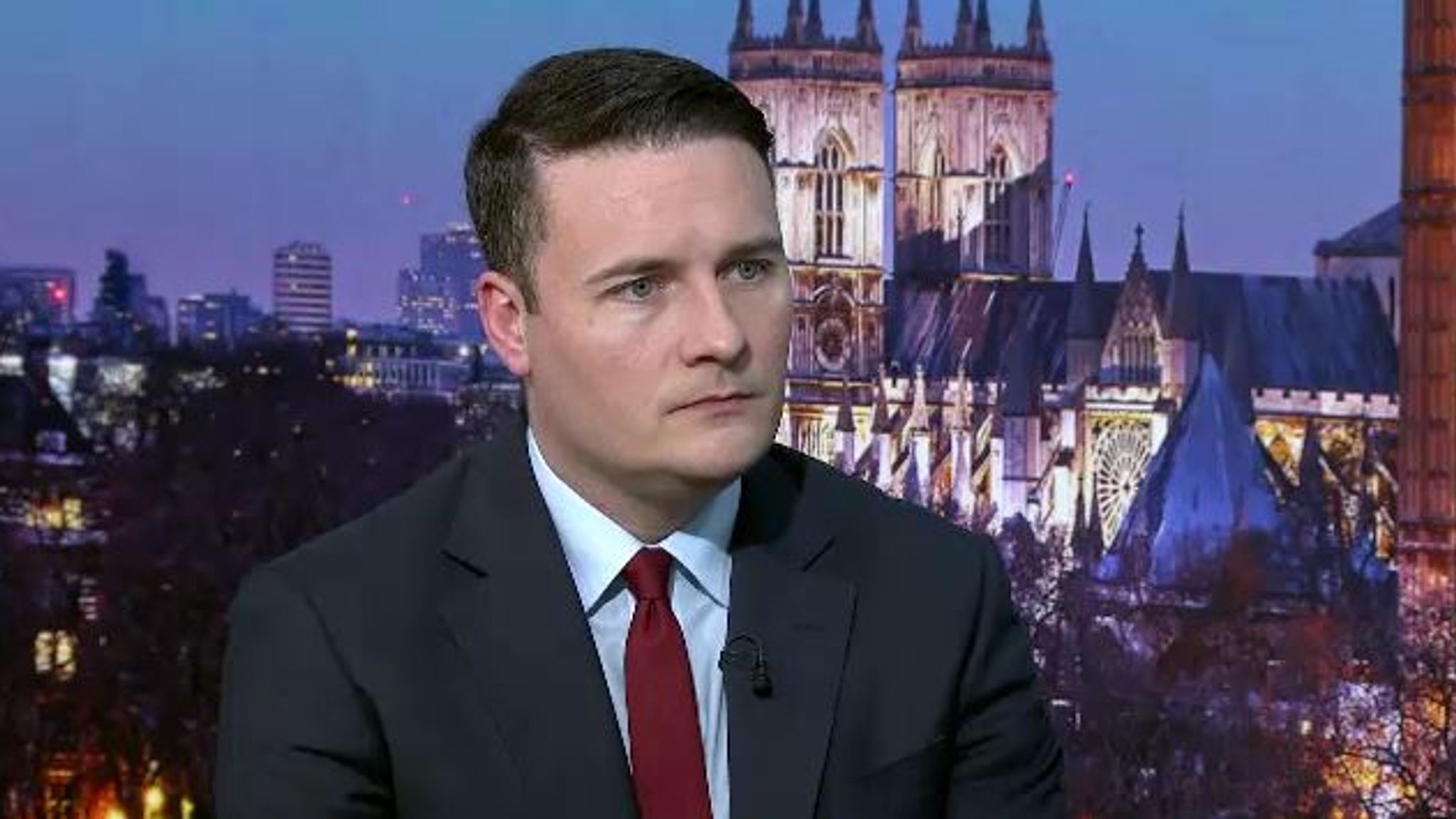
The Health Secretary, commenting on these plans, further stated that ‘there’s no way of sugarcoating’ the anxiety felt by those losing their jobs; however, they would be treated with the ‘care and respect… that they are owed through this process’. Justifying the need to take such measures, he explained to those workers affected that ‘when money is so tight, we can’t justify such a complex bureaucracy’, which is why the government is devolving ‘resources and responsibilities to the NHS frontline’.
This process is expected to save the government £100 million within the next two years, and has been lauded by varying groups. Conservative opinion of these Labour reforms has been largely positive, and various think tanks have agreed that these reforms are needed, however, these same think tanks have also emphasised just how worrying this period will be for NHS staff, and how steps must be taken to ensure they don’t lead to a further reduction in patient services.
Now, we may have established the background behind these reforms, but what does this actually mean for patients?
Well, the NHS as a whole isn’t being abolished. It will still be called the NHS and will certainly remain mostly free for users, as it has been since its inception. Additionally, these reforms are only for England, not for Wales, Scotland, or Northern Ireland, as health is a devolved matter, and since the Prime Minister doesn’t have constitutional authority over devolved policy areas, he is unable to decide what should occur with regard to devolved nations’ health policies.
To summarise, from a patient’s point of view, these reforms are unlikely to have any significant negative impact. There will still be no cost to use NHS services, nor will patients have to go through different processes to get themselves checked up. If anything, if these reforms are successful, they should lead to a reduction in waiting times and better emergency care, thus improving patient outcomes drastically.




 The 1509
Leave a comment