
By Isaac Boden
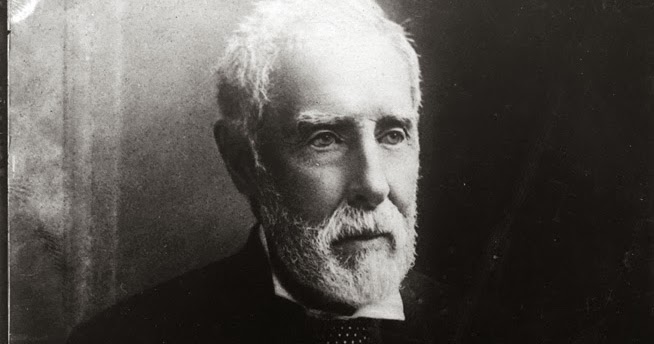
RGS Guildford has produced some outstanding characters, but few enjoyed a life as daring and exciting as Sir George Grey. Grey was born in 1812 in Portugal. A week before his birth, his father had died in action, so he was hardened from an early age. He was only eight when he boarded at Guildford, but in typically rebellious manner, he ran away. After tutoring, Grey entered the Royal Military College at Sandhurst in 1826, where he became more adventurous.
In Australia, Grey gained notoriety for his daring exploits. He led expeditions across flooded territory, confronted local Aboriginal groups, and even survived being speared on one journey despite not having much experience. After a boat was destroyed in 1839 and supplies ran out, his team had to undergo a 300-mile journey sustained by what little food and water they could find. Even in the face of obstacles that might have ended somebody else’s career, Grey carries on. His maps, journals, and discoveries detailed ways of looking at Australasia and its Indigenous peoples. His work illustrates both the controversial and expansive nature of colonial exploration, including the fact that some of it later sparked debates about land rights.
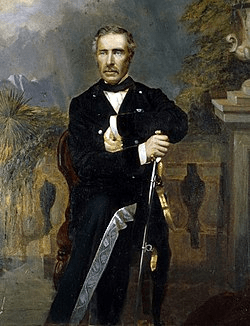
But life for Grey didn’t end with exploration. He was governor of South Australia and New Zealand, and Cape Colony in South Africa. There were differences in opinions on his leadership – some admired his planning, but others saw Grey as inflexible. He cut government spending with large attention to detail, disallowing tiny expenses like panes of glass or pencil sharpening. He defended the interests of settlers, while also trying to protect the native Māori populations, promoted education, and experimented with social reforms. In New Zealand, he fought for fair land taxation, smallholder rights, trade unions, and the principle of “one man, one vote.” His bold, controversial ideas showed that being principled often meant going against the grain.
Apart from politics, Grey’s hobbies reveal a character that RGS students today might find surprisingly easy to relate to. He was a book and language enthusiast, publishing Vocabulary of the Dialects spoken by the Aboriginal Races of South-Western Australia, and a naturalist who enjoyed botany and zoology, collecting geological and biological specimens for the Kensington Museum and Kew Gardens. He provided libraries, founded schools, and encouraged the spread of knowledge. These values are still at the RGS today, showing the impact the school had on him.
Grey’s life shows that you don’t just have to excel in the classroom, and should instead let curiosity and determination guide you in whatever you try, even if it isn’t continental exploration. From a truant in Guildford to a leader who shaped nations, Grey’s life can remind us that learning isn’t just about exams – it’s about dealing with challenges, taking chances, and influencing change.



 The 1509
Leave a comment