
Europe:

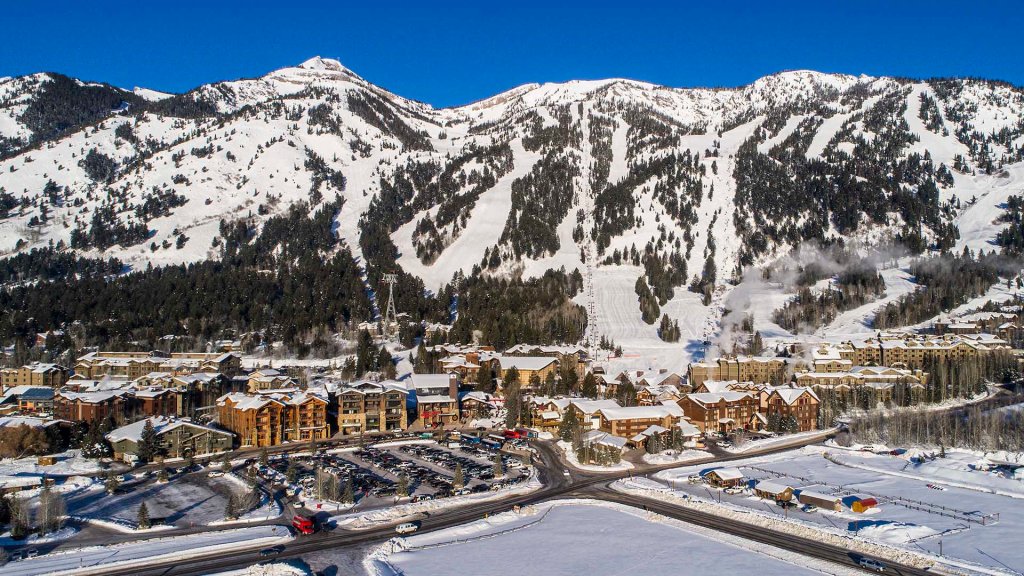
Europe is the home of skiing. The first ski factory was established in Norway in the early 19th Century, and the very word comes from the Norwegian word “skío”. Furthermore, Europe is houses 8 of the top 9 most visited ski resorts in the world. In addition to the high number of visitors European resorts swept both World Ski Awards 2025 “Best Resort Awards”. Val Thorens (France) was named the best ski resort (for the 10th time) and LAAX (Switzerland) was named the best freestyle ski resort (they have never not won this). Furthermore, the infrastructure of European ski resorts provides significant advantage over their North American counterparts. The high-elevation, connectivity and village-to-village skiing offered in Europe provides a preferred experience to the short winding runs through North American forests. One clear example of this is the ability to hike and ski. The Chamonix valley is a perfect display of this, with over 155km of ski runs and short, free bus rides between resorts embodies the connectivity of Europe perfectly, allowing for all levels of skiers to experience a variety of runs. As well as this the openness of European resorts to experienced skiers provides a large incentive for European skiing. Whilst in the US and Canada your pass may be revoked for ducking a rope or climbing up past the chairlift, this is not the case in Europe. The resorts allows and support this with signposting, but it is made clear anything off-piste is done at your own risk. This may seem dangerous; however, the sheer quantity of runs means only the most experienced of skiers are willing to sacrifice their morning hours for a beautiful, yet challenging, line into neighbouring villages. Importantly, (although I’m sure it does not concern our younger readers) the Après scene in Europe is far superior. The legal drinking age in Canada is 19 and the US, 21, meaning that post-ski parties are just not the same in North America. There is nothing I am looking forward to more than an afternoon in the Folie Douce with my stepbrothers after a gritty day of skiing, something that can only be experienced in Europe.
North America:

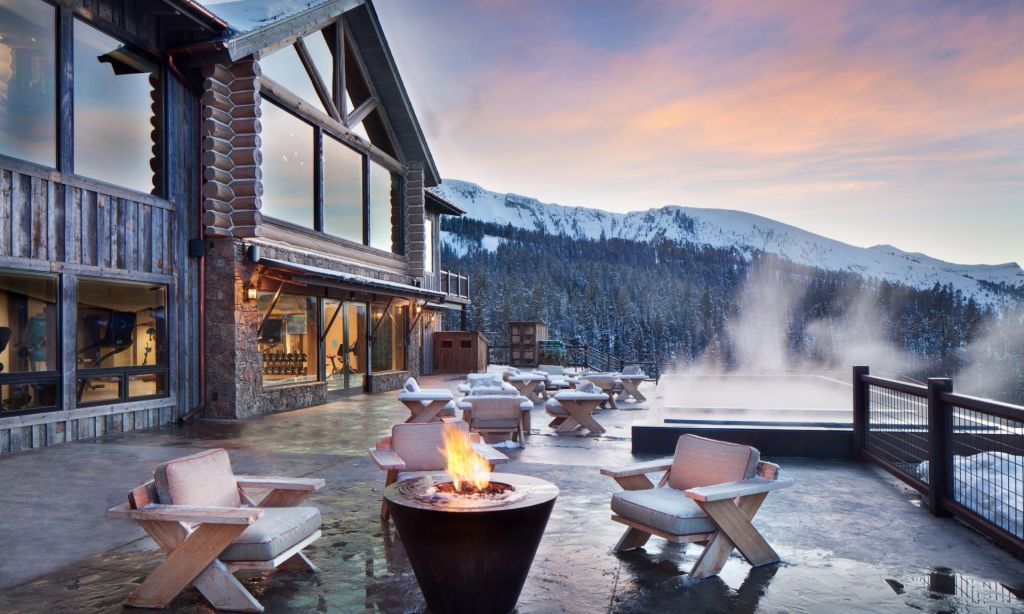
North America offers a very different experience. Aside from the obvious, lift attendants not drinking Génépi like water and the unique social experience provided by much of the American population, North America provides a very different skiing experience at a much lower altitude to that of Europe. The main attraction of skiing in North America is the powder, due to the lower moisture content in the snow. Yes, North America gets a bad rep for being icy, but scientifically there is no substantial evidence for this. When snow falls in Europe and temperatures drop significantly there is the chance of it icing over. Whilst this does not happen every time, and a significant snow dump will negate this, it is factually less likely to ice over in North America. This can lead to even the smallest of snow days leading to great days out skiing in fresh powder. Furthermore, the food in the US is spectacular. Whilst the Alps do provide some of the greatest delicacies in all of skiing, there is nothing better than finishing a cold day in Whistler and ending it with a warm, hearty poutine. Furthermore, North America has returned to the top of the hotel rankings, winning World Ski Awards 2025 “Best Ski Hotel” with the Stein Eriksen Lodge Deer Valley, marking a return to top sport for the US after a 10-year absence. This implies, correctly, that North American skiing provides some luxurious locations for guests to enjoy whilst on their travels. This is a clear benefit of the North American ski resorts; however, Europe does not exactly fall far behind.
To conclude, the US does offer better quality snow particularly for those powder-hungry skiers and the food in North America is sublime. Furthermore, the luxurious hotels offered to tourists give resorts a real luxury feel whilst still providing functionality for those die-hard skiers. However, Europe does provide a far more widespread experience to those looking for long, large pistes as well as plentiful off-piste (without being told off by resort attendants). The sufficient alternatives that Europe has to offer in terms of hotels and food somewhat dampen the benefit that North America holds, specifically regarding the distance travelled, time taken and the price point.


 The 1509