
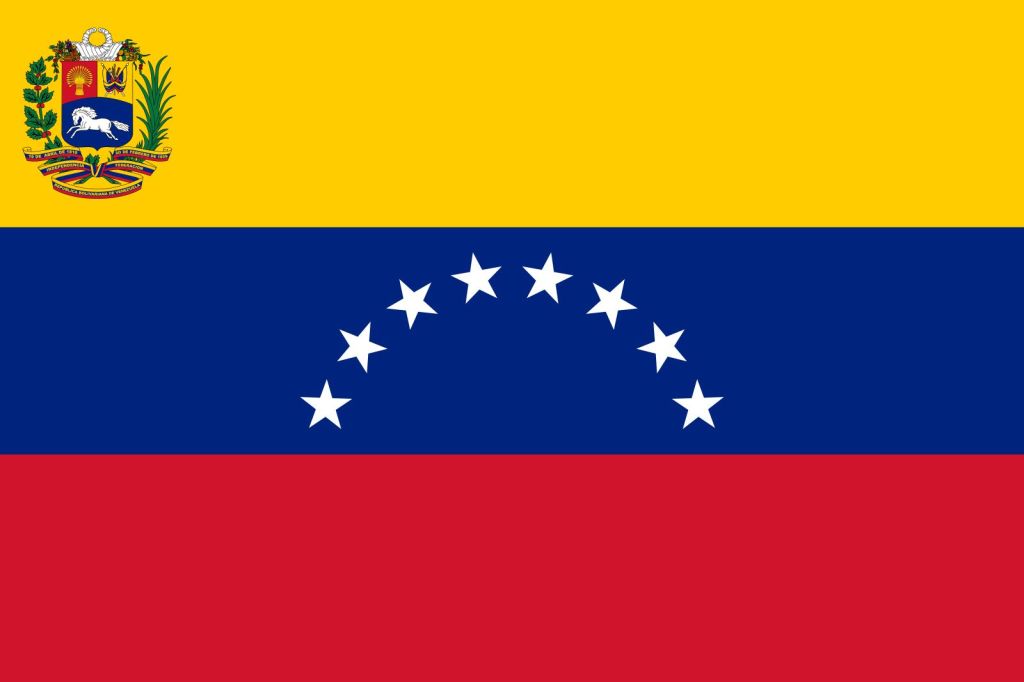
On January 3rd, 2026, the US carried out in Operation Absolute Resolve to extract the Venezuelan President, Nicholas Maduro, and his wife, Cilia Flores, from his residency in Caracas.
His long-held opposition to the left-wing Venezuelan government aside, President Trump justified this extraction by labelling Maduro a ‘narco-terrorist’ – a label given legal significance ever since executive order “2026 Oil Revenue Order” that officially designated powerful criminal organisations, including drug cartels, “foreign terrorist organisations”.
In response to US drug issues and against the “corrupt, illegitimate government” of Maduro that, according to Trump, had leveraged government power to promote drug trafficking, Trump ordered a large series of military action on boats heading out of Venezuela with the aim of stopping drugs being transported into the US.
However, it is apparent that another of Trump’s key aims is to open Venezuelan oil to US markets, ultimately for US domestic gain. Venezuela has the largest volume of oil in proven reserves, but chronic corruption and serious mismanagement by the regime has kept oil production disproportionately low; perennially high inflation and Venezuelan GDP contracting by 73% between 2013 and 2020 hardly helped. This meant that no companies were willing to invest largely in the country – as you can imagine, there were also put off by the terrible state of the existing extraction infrastructure. As a result, oil production has not been effective for decades, not really since Venezuela nationalised it in 1976, creating the state oil company PDVSA and expelling foreign companies and capital.
Following this, the legality of the US operation has been under heavy scrutiny from the rest of the world: the sudden removal of a head of state in this way without consultation with the UN or even the United States’ NATO allies has raised questions over what else Trump can get away with; more importantly, it raises questions over what else autocrats like Xi Jinping or Vladimir Putin feel they can get away with. Trump has recently also made bold statements about taking over Greenland, despite its position under the sovereign state of the Kingdom of Denmark for centuries – the fact that ‘sovereignty’, and the importance of respecting it, was a construct of the liberal international system Trump just acted against is informative – saying that Greenland must be seized for “national security”, “whether they like it or not”. Perhaps even more concerning is the recent tariffs put on place on the UK and other allies for placing troops on Greenland to defend their NATO ally, demonstrating Trump’s continued unpredictability. Although maybe there is a commonality between the two countries – Greenland, as with Venezuela, is rich in natural resources.
Like Oil.
I believe that US intervention, although ostensibly about drugs and national security, was clearly motivated by a desire for power control of oil reserves: Venezuela has 303 billion barrels of oil, around 17% of global reserves; approximately $18t worth at current market value. This undoubtedly provides a strong incentive for any state recognising its potential in the field of unilateral expansion. Overall, this event raises significant concerns over international laws and sovereignty and raises the question of what Trump next move will be.

 The 1509