Max Baker
As a history student, you are given particular focuses, topics and decades which for the purpose of exams you must focus on and revise, but when given an open opportunity for discovery, a rarity in a school environment, so many history students find themselves going down rabbit holes of research and discovering unknown stories and pieces of history which fascinate a curious mind.

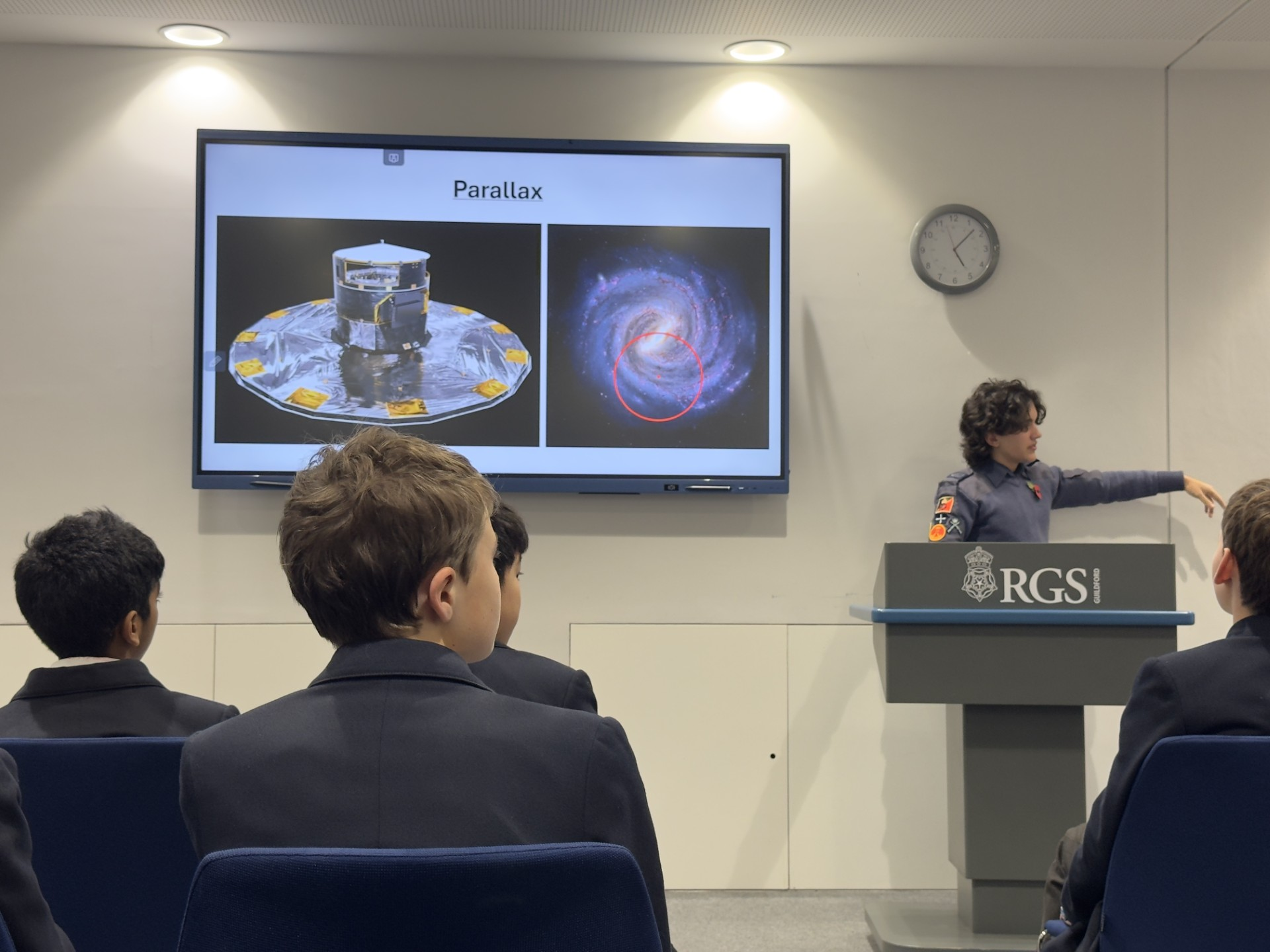
One such example of this was when I was asked to give a talk to the First Form on Remembrance Day, the 11th November as it is every year, and I needed to choose an area of remembrance to talk about. After some thinking about what to do, I decided I wanted to do a bit of looking into the role of troops from around the British Empire in World War 1, as I knew embarrassingly little about the way in which they contributed to the war effort and how the racial attitude of the time affected the way in which their experience and remembrance was different to the typical British tommy.
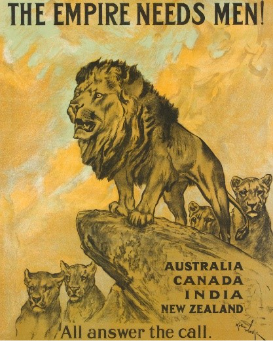
The contribution of soldiers from other areas of the British Empire (which comprised a quarter of the world at the outbreak of WW1) was, as I discovered, a huge part of the reason for a British victory. The British Indian army was the largest of the colonial armies with over 1 million troops serving and overall over 3 million troops were called from around the British Empire. In ‘self-governing’ dominions such as Canada and Australia there were expeditionary forces formed and quickly mobilised, with an unprecedented level of patriotism viewed for a modern perspective. These troops were fighting for what was for many just a distant island but the duty felt to serve was real in these territories.
A particular interesting campaign fought in Africa was the mobilising of troops from the Gold Coast and Nigeria to help with the blockading of German colonies in East Africa. This campaign was one of the longest constant ones in the whole war due to the guerilla warfare tactics of the colonial army in East Africa who were fighting for the Germans. In this often forgotten section of the truly global war, disease killed 30x more men than fighting and the harsh conditions made traditional battles impossible.
When doing this research I found it unusually hard to find specific examples of ex-servicemen and their stories. If you look on pages for the British Army, there are countless write-ups of such tales but you have to look a little harder for those of people from, say, the West Indies or India. A particularly interesting one was that of Khudadad Khan, the first Indian man to receive the Victoria Cross after holding his post as a gunman even as his comrades were killed and then feigning death and escaping the open area. This bravery shown in the situation was outstanding enough that he won the highest military award on offer, with the newspaper headline below from the time displaying this.
Of course, the racial attitudes of the period also, sadly, bled into the way in which soldiers were treated and then remembered. For example West Indians soldiers were often denied front line jobs or allowed to fight, as if there was a possibility they were to be better fighters than their British comrades, then it would undermine the perceived racial superiority of the white British soldiers. In addition, many brigades of soldiers fighting campaigns across Africa are also forgotten without memorials or dedicated graves, due to their fighting being further away from the Western Front in Europe.
Positively, much has been done to change this, there are now dedicated pages focusing on the contribution of soldiers who, despite being subjected to a harsh empire, still fought and gave their lives for Britain. These people should be held in our minds as highly as any soldier who fought in the Great War.



Leave a Reply